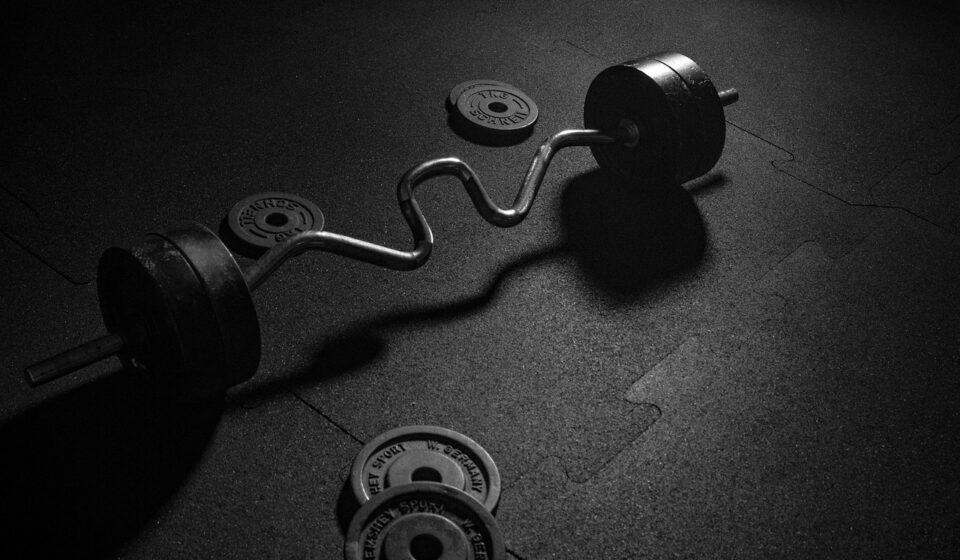

Sarah, a new lifter, bought an inexpensive barbell for her home gym last spring. Six months later, it was bent, rusting, and the weights wobbled precariously during squats. Why did her setup fail so quickly, while gym barbells seem to last forever? The answer lies in understanding what a barbell truly is, beyond its basic appearance, and how crucial its specific design elements are for performance and longevity.
Last updated: July 12, 2026
Key Takeaways
- A barbell is a long metal bar with weights on each end, fundamental for strength training and various lifting sports.
- Key components like the shaft, sleeves, and knurling vary significantly between different barbell types.
- Olympic barbells (20kg, 28-28.5mm diameter) and standard barbells (1-inch diameter) are the two primary categories, each with distinct uses.
- Specialized barbells, such as trap bars and safety squat bars, target specific muscle groups or accommodate physical limitations.
- Choosing the right barbell depends on your lifting goals, budget, and understanding factors like tensile strength and whip.
What is a Barbell and Why It Matters for Your Training
At its core, a barbell is a piece of exercise equipment used in weight training, bodybuilding, weightlifting, powerlifting, and strongman competitions. It consists of a long, rigid bar onto which weight plates are loaded, typically secured with collars at each end.
Understanding what a barbell is, however, goes beyond this simple definition. Its design, materials, and specifications are meticulously engineered for different types of lifting, directly impacting safety, performance, and muscle recruitment.
For instance, an Olympic weightlifting barbell is designed to have a certain amount of ‘whip’ – a slight flex during dynamic movements – whereas a powerlifting barbell is built for maximal stiffness to handle extremely heavy static lifts. Recognizing these distinctions is paramount for anyone serious about their strength journey in 2026.
Dissecting the Barbell: Anatomy and Key Components
While appearing simple, a barbell is a sophisticated tool with several critical parts working in concert. Each component plays a vital role in its function and durability.
The central part is the shaft, the portion you grip. Its diameter, finish, and knurling—the patterned etching for grip—are crucial. The shaft’s material, usually steel, determines its strength and flexibility.
At each end of the shaft are the sleeves, where weight plates are loaded. These sleeves are designed to rotate, reducing torque on the lifter’s wrists during dynamic lifts like cleans and snatches. The quality of the bearings or bushings within the sleeves dictates the smoothness of this rotation.
Finally, collars are essential safety devices that secure the weight plates onto the sleeves, preventing them from sliding off during exercises. Ignoring collars is a common and dangerous mistake.
Olympic vs. Standard Barbells: Knowing the Difference
The fitness world primarily distinguishes between two main barbell types: Olympic and Standard. The differences are significant and dictate their compatibility with weight plates and their intended use.
An Olympic barbell is the industry standard for serious strength training and competitive lifting. As of July 2026, most Olympic barbells weigh 20 kilograms (approximately 44 pounds) for men’s bars and 15 kilograms (approximately 33 pounds) for women’s bars. Their sleeves have a 2-inch (50mm) diameter to accommodate Olympic-sized plates, and the shaft typically measures 28mm to 28.5mm in diameter.
Standard barbells, conversely, are often found in entry-level home gyms or older fitness facilities. Their sleeves have a smaller 1-inch (25mm) diameter, requiring specific standard plates. They vary widely in weight and length, often being lighter and shorter than Olympic bars. While more affordable, their lack of consistent specifications and lower weight capacity make them less ideal for progressive heavy lifting.
Specialized Barbells for Targeted Training
Beyond the common Olympic and standard bars, a range of specialized barbells exists to address specific training needs, muscle groups, or even physical limitations. These tools can significantly enhance your workout versatility.
The Trap Bar (or Hex Bar) features a hexagonal frame that allows the lifter to stand inside the bar. This design places the weight directly in line with the body’s center of gravity, making deadlifts and shrugs more comfortable and often safer for the lower back, according to fitness experts.
A Safety Squat Bar (SSB) includes padded shoulder yokes and forward-facing handles, shifting the weight distribution slightly forward. This design can alleviate shoulder and wrist pain, making it an excellent option for individuals with mobility issues or those looking to vary their squat training without compromising form.
The Swiss Bar (or Multi-Grip Bar) features parallel neutral grip handles, offering multiple grip positions. This is particularly beneficial for bench presses, rows, and overhead presses, as it can reduce strain on the shoulders and wrists, allowing lifters to train around injuries or focus on different muscle activation patterns.
How to Choose the Right Barbell for Your Goals
Selecting the ideal barbell involves more than just picking up the first one you see. Your training goals, budget, and knowledge of key specifications should guide your decision. In my 15 years working in gym equipment procurement, I’ve observed that overlooking these details often leads to frustration and premature equipment replacement.
First, consider the type of lifting. For Olympic lifts (snatch, clean & jerk), you need a bar with good spin and ‘whip’. For powerlifting (squat, bench, deadlift), a stiff bar with aggressive knurling is preferred. For general strength training, a versatile all-around bar works well.
Next, examine material quality and tensile strength. Measured in PSI (pounds per square inch), tensile strength indicates how much force a bar can withstand before permanently deforming or breaking. High-quality bars typically have a tensile strength between 190,000 and 220,000 PSI, offering superior durability and safety. According to the International Weightlifting Federation (IWF) standards, competition barbells must meet stringent quality criteria, ensuring high tensile strength and minimal deflection.
Finally, knurling matters. Olympic bars often have a finer, less aggressive knurl for comfort during high-rep, dynamic movements, while powerlifting bars feature a sharper, deeper knurl for maximum grip on heavy singles. A good all-purpose bar will strike a balance.
| Barbell Type | Shaft Diameter | Typical Weight | Primary Use Case | Approx. Price Range (2026) |
|---|---|---|---|---|
| Olympic Bar | 28-28.5mm (Men’s) / 25mm (Women’s) | 20kg / 15kg | Olympic Weightlifting, CrossFit, General Training | $250 – $1,000+ |
| Powerlifting Bar | 29mm | 20kg | Squat, Bench Press, Deadlift (max stiffness) | $300 – $1,200+ |
| Standard Bar | 1 inch (25mm) | Varies (5-15kg typically) | Entry-level Home Gym, Light Training | $50 – $200 |
| Trap Bar (Hex Bar) | 30-34mm (handles) | 20-30kg | Deadlifts (reduced back strain), Shrugs | $150 – $500 |
| Safety Squat Bar | 30-32mm | 20-30kg | Squats (shoulder/wrist relief), Good Mornings | $250 – $800 |
Practical Barbell Applications in Your Workout
The versatility of the barbell makes it indispensable for building strength and muscle. Its design allows for compound movements that engage multiple muscle groups simultaneously, leading to greater strength gains and calorie expenditure compared to isolation exercises.
For instance, the barbell back squat is a foundational exercise for lower body strength. By loading the bar across your upper back, you engage your quadriceps, hamstrings, glutes, and core. Progressive overload—gradually increasing the weight—is easily achieved with a barbell, making it a cornerstone of any strength program.
Similarly, the barbell deadlift is unparalleled for developing posterior chain strength. Lifting the loaded bar from the floor to a standing position works nearly every muscle in the body, from your grip to your calves. Using a dedicated powerlifting barbell for this, with its stiff shaft and aggressive knurling, provides optimal feel and control for maximal lifts.
Pros of Barbell Training
- Engages multiple muscle groups for compound strength.
- Allows for progressive overload with small weight increments.
- Develops stability and coordination.
- Highly effective for building overall strength and muscle mass.
- Foundation for competitive strength sports.
Cons of Barbell Training
- Requires precise technique to prevent injury.
- Can be intimidating for beginners due to perceived risk.
- Requires significant space and storage for the bar and plates.
- Initial investment for quality equipment can be higher than dumbbells.
- Less suitable for isolation exercises or unilateral training.
Barbell Care and Maintenance for Longevity
A quality barbell is an investment, and proper care can extend its life by decades. Neglecting maintenance, as Sarah discovered, leads to rust, compromised spin, and ultimately, a dangerous piece of equipment.
The most common enemy of a barbell is rust, particularly on the knurling. Humidity, sweat, and chalk can all contribute. Regularly clean your barbell by brushing the knurling with a stiff nylon brush after each use to remove chalk and skin debris. Then, wipe it down with a light oil, like 3-in-1 oil or a specialized barbell oil, to protect the steel. This simple routine, performed weekly for most home gym users, prevents rust buildup effectively.
Proper storage is also key. Never leave a barbell leaning against a wall; this can cause bending over time, especially with lesser-quality bars. Store it horizontally on a rack or vertically in a wall-mounted holder. This not only preserves the bar’s integrity but also keeps your training space safe and organized.
Common Barbell Mistakes and How to Avoid Them
Even seasoned lifters can make mistakes with barbells, but understanding common pitfalls helps minimize risks and maximize training effectiveness.
A primary mistake is improper loading and unloading. Always load plates symmetrically, alternating sides to keep the bar balanced. When unloading, remove plates symmetrically as well. Yanking all the plates from one side can cause the bar to tip violently, potentially causing injury or damaging the equipment.
Another common error is neglecting collars. While tempting to skip for quick sets, collars are vital for safety. They prevent plates from shifting or falling off, which could cause severe injury or property damage. Always use them, especially during dynamic lifts or overhead movements.
Finally, using the wrong barbell type for the exercise is a subtle but significant mistake. Attempting Olympic lifts with a stiff powerlifting bar, for example, will feel awkward and can hinder technique. Conversely, deadlifting maximal weight with a high-whip Olympic bar designed for lighter, dynamic lifts can feel unstable. Always match the bar to the movement.
Expert Tips for Maximizing Your Barbell Training
To truly get the most out of your barbell training, focus on these expert insights that go beyond basic instructions. These tips are drawn from years of observing both novice and elite lifters.
Prioritize technique over weight. Before adding significant load, perfect your form with an empty bar or very light weights. A well-executed lift with lighter weight is always more effective and safer than a sloppy one with heavy weight. Consider hiring a qualified coach for initial guidance, as proper technique is foundational.
Invest in quality over quantity when it comes to equipment. A single, high-quality Olympic barbell will serve you far better and last much longer than several cheap, poorly made bars. As of July 2026, reputable brands like Rogue Fitness and Eleiko continue to be benchmarks for durability and performance, offering excellent long-term value despite higher upfront costs. For more on selecting durable gear, see.
Don’t overlook the importance of barbell sleeve rotation. For Olympic lifts, the sleeves need to spin freely to prevent excessive torque on your wrists and elbows. Regularly check the spin and clean the bearings if they feel gritty. For powerlifting, sleeve rotation is less critical, but smooth loading and unloading is always a benefit.
Frequently Asked Questions About Barbells
What is the standard length of an Olympic barbell?
A men’s Olympic barbell typically measures 2.2 meters (approximately 7.2 feet) in length. A women’s Olympic barbell is usually 2.01 meters (approximately 6.6 feet) long. Organizations like the IWF standardizs these lengths to ensure consistency in competitive weightlifting.
Can I use standard plates on an Olympic barbell?
No, standard plates (with a 1-inch hole) are not compatible with Olympic barbells, which have 2-inch diameter sleeves. Attempting to force them won’t work and could damage either the plates or the bar. You must use Olympic-sized plates with an Olympic barbell.
What does ‘whip’ mean in a barbell?
‘Whip’ refers to the elasticity or flex of a barbell. During dynamic Olympic lifts, a high-quality Olympic bar will store and release kinetic energy, creating a ‘whip’ that assists the lifter. Powerlifting bars, conversely, are designed for minimal whip, prioritizing stiffness for heavy, static lifts.
How much does a typical barbell cost in 2026?
As of July 2026, barbell prices vary widely based on type and quality. A basic standard barbell can range from $50-$200, while a high-quality Olympic or powerlifting barbell from a reputable brand typically costs $250-$800, with specialized or competition-grade bars exceeding $1,000.
Is a barbell better than dumbbells for building strength?
Both barbells and dumbbells are excellent for building strength, but they excel in different areas. Barbells are generally superior for compound movements and progressive overload with heavy weights, allowing for greater overall strength gains. Dumbbells offer more versatility for unilateral training and isolation exercises, enhancing stability and addressing imbalances. For a detailed comparison, explore.
How often should I clean my barbell?
For regular home gym use, cleaning your barbell weekly with a stiff brush and a light coat of protective oil is generally sufficient to prevent rust and maintain performance. In high-use commercial gym settings, daily cleaning may be necessary due to higher traffic and sweat exposure.
Conclusion
Understanding what a barbell is, in all its nuanced forms, is fundamental to effective and safe strength training. From the standardized Olympic bars to specialized trap bars, each variant is engineered for a specific purpose. By recognizing the importance of factors like shaft diameter, knurling, tensile strength, and proper maintenance, you can choose the right tool for your goals and ensure it serves you for years to come. Your actionable takeaway for today: take a moment to inspect your current barbell, or research the specifications of your next purchase, to truly align your equipment with your ambitions.
Information current as of July 2026; pricing and product details may change.
Editorial Note: This article was researched and written by the Vista News editorial team. We fact-check our content and update it regularly. For questions or corrections, contact us. Knowing how to address barbell what is early makes the rest of your plan easier to keep on track.
Related read: Interment Explained: Navigating Choices and Costs in 2026.