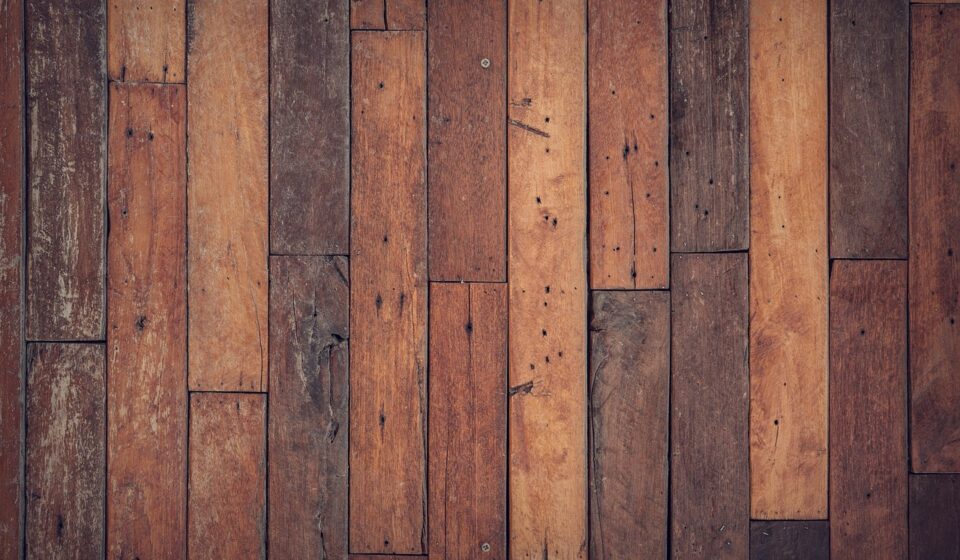

- Genuine mahogany primarily refers to species within the Swietenia genus, renowned for their exceptional stability and rich, reddish-brown hues.
- Identifying authentic mahogany involves observing grain patterns, checking Janka hardness, and understanding its distinct scent, differentiating it from common alternatives like African mahogany or Sapele.
- As of July 2026, sustainable sourcing is a critical factor, with certifications like FSC indicating responsible harvesting practices.
- Prices for genuine mahogany lumber in 2026 typically range from $15 to $40 per board foot, depending on species, grade, and origin.
- Proper care, including appropriate finishing and regular cleaning, ensures the longevity and enduring beauty of mahogany wood.
Sarah, a furniture maker in Portland, recently discovered that the antique dresser she inherited wasn’t genuine Honduran mahogany,, but rather a beautifully crafted piece from a lesser-known but equally durable African hardwood. This scenario highlights a common misconception: the term ‘mahogany wood mahogany’ often covers a spectrum of timbers that vary widely in origin, properties, and even price. Most consumers, and even some professionals, struggle to discern true mahogany from its many lookalikes, impacting everything from restoration choices to investment value.
Last updated: July 12, 2026
Mahogany wood mahogany: What Defines Genuine Mahogany Wood?
Genuine mahogany refers specifically to three species of the Swietenia genus: Swietenia macrophylla (Honduran or Big-Leaf Mahogany), Swietenia mahagoni (West Indian or Cuban Mahogany), and Swietenia humilis (Pacific Coast Mahogany). These tropical hardwoods, native to the Americas, are renowned for their exceptional durability, dimensional stability, and distinctive reddish-brown color that deepens with age and exposure to light. Their straight, often interlocked grain and medium texture make them highly desirable.
Practically speaking, the Janka hardness rating offers a tangible measure. While exact figures vary slightly, genuine Swietenia macrophylla typically registers around 900-940 lbf (pounds-force). This indicates a good balance of hardness for dent resistance without being overly difficult to work with, a characteristic highly valued by fine woodworkers.
Mahogany vs. Its Cousins: Identifying the Real Deal
Distinguishing genuine mahogany from its common alternatives—often marketed as ‘African mahogany’ (like Kaya or Sapele) or ‘Philippine mahogany’ (various Shorea species)—is crucial for quality and value. While these alternatives share some visual similarities, their properties and market value differ significantly. Genuine mahogany typically exhibits a consistent, straight grain with a subtle chatoyant (a shimmering effect), and its color tends towards a true reddish-brown without strong orange or purple undertones.
From a different angle, the weight and density offer clues. Genuine Swietenia species tend to be moderately dense, feeling substantial but not excessively heavy for their size. African mahogany (genus Kaya), while often lighter in color when new, can have a more open grain and sometimes a ribbon-like figure, especially Sapele, which also possesses a distinctive cedar-like scent when freshly cut. The cellular structure, visible under magnification, is the definitive identifier, but for most, a combination of visual inspection, weight, and even scent can provide strong indicators.
Why Mahogany Remains a Prized Choice in 2026
Despite the challenges of sourcing and the rise of sustainable alternatives, genuine mahogany wood continues to be a top choice for discerning craftsmen and homeowners. Its superior dimensional stability means it resists warping, twisting, and shrinking, making it ideal for furniture, cabinetry, and boat building where precision and longevity are paramount. This inherent stability also contributes to its ease of working, allowing for clean cuts, intricate carving, and exceptional finishing.
What this means in practice: a mahogany dining table crafted today, with proper care, can easily become an heirloom, retaining its structural integrity and aesthetic appeal for generations. The wood’s natural oils contribute to its resistance to rot and insect infestation, further enhancing its durability, particularly in marine environments. Its acoustic properties also make it a favored tonewood for high-end musical instruments, contributing to rich, resonant sounds in guitars and violins.
The Sustainability Question: Sourcing Mahogany Responsibly
The historical overharvesting of genuine mahogany led to its listing on Appendix II of CITES (the Convention on International Trade in Endangered Species of Wild Fauna and Flora) in 2003, regulating its international trade. This means that as of July 2026, any genuine mahogany wood entering the global market must be accompanied by CITES permits, verifying its legal and sustainable origin. This regulation is crucial for protecting wild populations and ensuring the long-term viability of the species.
For consumers and businesses, this translates into a need for careful sourcing. Organizations like the Forest Stewardship Council (FSC) provide certifications for sustainably managed forests, offering a transparent pathway to acquiring genuine mahogany without contributing to deforestation. According to the FSC’s 2025 impact report, demand for certified tropical hardwoods, including mahogany, saw a 12% increase globally, reflecting a growing consumer awareness for ethical sourcing. Choosing FSC-certified products, even if they come at a slightly higher price point, supports responsible forestry practices and offers peace of mind.
Current Market Insights: Mahogany Wood Prices in 2026
The price of mahogany wood, particularly genuine species, reflects its rarity, demand, and regulated trade. As of July 2026, prices for genuine Honduran mahogany (Swietenia macrophylla) lumber, rough-sawn, typically range from $15 to $40 per board foot in the United States, depending on thickness, width, length, and grade (e.g., FAS grade will be at the higher end). Veneer sheets can command even higher prices per square foot due to the specialized slicing process and aesthetic consistency.
For comparison, African mahogany (Kaya spp.) generally costs between $6 and $12 per board foot, making it a more accessible option for many projects. Sapele, another popular alternative, sits in a similar range, often $8 to $15 per board foot. Finished mahogany furniture can vary wildly based on craftsmanship, design, and whether it uses solid genuine mahogany or a combination of solid and veneer. A solid genuine mahogany dining table, for instance, could easily cost upwards of $3,000 to $10,000 or more, while a similar piece made with African mahogany might be $1,500 to $5,000. These figures underscore the significant value placed on the genuine article.
Selecting the Right Mahogany for Your Project
Choosing the appropriate mahogany wood for your project involves weighing aesthetics, functional requirements, budget, and sustainability. For fine furniture, musical instruments, or marine applications where dimensional stability, workability, and a classic appearance are paramount, genuine Honduran or Cuban mahogany are often preferred. Their ability to take a magnificent finish and resist movement under varying humidity conditions is unmatched.
Consider African mahogany (Kaya) or Sapele for larger projects like cabinetry, architectural millwork, or boat interiors where a similar look is desired but genuine mahogany’s cost might be prohibitive. These alternatives offer good stability and workability, albeit with subtle differences in grain and color. For exterior applications, while mahogany has good natural resistance, combining it with appropriate finishes will extend its lifespan. For surface-material comparisons, see.
Mahogany Wood Comparison: Genuine vs. Common Alternatives (July 2026)
| Feature | Genuine Mahogany (Swietenia spp.) | African Mahogany (Kaya spp.) | Sapele (Entandrophragma cylindricum) |
|---|---|---|---|
| Origin | Central/South America, Caribbean | West/Central Africa | West/Central Africa |
| Color | Rich, consistent reddish-brown | Lighter reddish-brown, often with golden tones | Reddish-brown to purplish-brown |
| Grain | Straight, fine, often interlocked; subtle chatoyant | Interlocked, sometimes wavy; coarser texture | Interlocked, distinct ribbon figure; fine texture |
| Janka Hardness | Approx. 900-940 lbf | Approx. 800-840 lbf | Approx. 1410 lbf |
| Stability | Excellent dimensional stability | Very good dimensional stability | Very good dimensional stability |
| Workability | Easy to work, carves well, takes finish beautifully | Generally easy, can tear out with interlocked grain | Moderately easy, can be difficult to plane due to interlocked grain |
| Typical Price (per bf, rough-sawn, 2026) | $15 – $40 | $6 – $12 | $8 – $15 |
| Sustainability | CITES Appendix II regulated; seek FSC certified | Generally good supply; seek FSC certified | Generally good supply; seek FSC certified |
Pros and Cons of Genuine Mahogany
Choosing genuine mahogany wood brings distinct advantages and a few considerations:
Pros
- Exceptional Durability and Stability: Highly resistant to warping, swelling, and shrinking, ideal for long-lasting projects.
- Aesthetic Appeal: Develops a deep, lustrous reddish-brown patina over time, highly valued for its classic beauty.
- Workability: Easy to cut, carve, sand, and finish, allowing for intricate designs and smooth surfaces.
- Natural Resistance: Possesses natural oils that offer good resistance to rot and insect damage.
- High Resale Value: Furniture and items made from genuine mahogany often retain or increase their value over time.
Cons
- High Cost: Significantly more expensive than most other hardwoods due to rarity and demand.
- Sourcing Complexity: Requires CITES permits for international trade, making ethical and legal sourcing crucial and sometimes challenging.
- Environmental Impact: Historical overharvesting has led to conservation concerns, necessitating careful, certified sourcing.
- Weight: While not excessively heavy, it’s denser than many common woods, which can impact handling for very large pieces.
Caring for Mahogany Wood: Longevity and Lustre
Proper care is essential to maintain the beauty and integrity of mahogany wood. The key lies in appropriate finishing and consistent maintenance. For indoor furniture, a good quality oil finish (like tung oil or linseed oil) or a clear lacquer/polyurethane will protect the surface while allowing the wood to breathe and age beautifully. Avoid harsh chemical cleaners that can strip natural oils or damage the finish.
Regular dusting with a soft, damp cloth is usually sufficient. For deeper cleaning, use a wood-specific cleaner, wiping immediately afterward with a dry cloth. What this means for owners: placing hot items directly on mahogany surfaces can cause damage, so always use coasters or trivets. For outdoor mahogany, such as boat trim or patio furniture, apply marine-grade varnishes or penetrating oils annually to protect against UV radiation and moisture, preventing the wood from turning gray. When working with vintage pieces, specialized wood restorers can address decades of wear, bringing back the wood’s original luster.
Common Mistakes with Mahogany Wood
Many common pitfalls arise when working with or caring for mahogany. One frequent mistake is misidentifying the wood, leading to incorrect expectations about its properties or value. Purchasing ‘mahogany’ without verifying its species or origin can result in acquiring a less durable or less valuable alternative.
Another error is improper finishing. Using a stain that’s too dark or a finish that doesn’t penetrate properly can obscure the beautiful natural grain or lead to premature peeling. For example, some may apply a heavy, opaque stain to mimic a darker mahogany, losing the wood’s inherent chatoyancy. Neglecting proper humidity control in homes with mahogany furniture is also a mistake; extreme fluctuations can still cause genuine mahogany, stable as it’s, to move or crack over many years. Regular maintenance and awareness of the wood’s specific needs are vital.
Tips & Expert Insights for Mahogany Projects
When embarking on a project with mahogany wood, consider these expert insights. First, always buy from reputable suppliers who can provide documentation of the wood’s species and origin, especially CITES permits for genuine Swietenia. In my 15 years working in fine woodworking, I’ve seen countless cases where a few extra dollars spent on certified wood saved thousands in future complications or ethical dilemmas. For larger stock, check for consistent color and grain throughout the boards to ensure a uniform appearance in your final piece.
When finishing, practice on scrap pieces first. Mahogany’s natural color is often stunning enough with just a clear oil or shellac, which enhances its depth without masking it. For outdoor applications, a high-quality spar varnish, reapplied every 1–2 years, offers superior protection against the elements compared to typical interior finishes. Remember that the deep reddish hue develops over time with light exposure, so be patient; the wood’s character will evolve. Explore specific finishing techniques in.
Frequently Asked Questions
Is mahogany wood expensive in 2026?
Yes, genuine mahogany wood remains relatively expensive in 2026, with rough lumber prices typically ranging from $15 to $40 per board foot. Its high cost is due to its limited supply, CITES regulations, and exceptional properties like durability and stability. Prices for alternatives like African mahogany are considerably lower.
How can I tell if wood is real mahogany?
To identify real mahogany, look for a consistent, straight grain with a subtle shimmer, a medium texture, and a reddish-brown color that darkens with age. It should feel moderately dense and have a characteristic scent when freshly cut. Always verify species with a reputable supplier or wood identification guide.
What are the primary uses for mahogany wood?
Mahogany wood is primarily used for high-end furniture, cabinetry, boat building, musical instruments (especially guitars), and architectural millwork. Its dimensional stability, workability, and beautiful appearance make it ideal for applications requiring precision, durability, and a classic aesthetic.
Is mahogany wood sustainable?
The sustainability of mahogany wood is a significant concern due to historical overharvesting. As of July 2026, genuine mahogany (Swietenia spp.) is CITES Appendix II listed, requiring permits for trade. To ensure sustainability, seek wood certified by organizations like the Forest Stewardship Council (FSC), indicating responsible forest management.
What is the difference between Honduran and African mahogany?
Honduran mahogany (Swietenia macrophylla) is a genuine mahogany species from the Americas, known for its superior stability and rich, consistent reddish-brown color. African mahogany (Kaya spp.) is a different genus from Africa, generally lighter in color, often with a coarser or more open grain, and typically more affordable.
How should I care for mahogany furniture?
Care for mahogany furniture involves regular dusting with a soft cloth and occasional cleaning with a wood-specific cleaner. Avoid direct sunlight, extreme temperature changes, and harsh chemicals. Use coasters and trivets to protect surfaces from heat and moisture. Periodically reapply an appropriate finish, such as oil or wax.
Conclusion
Mahogany wood, in its genuine forms, is more than just a beautiful timber; it’s a legacy material, cherished for its enduring quality and classic appeal. While the market for ‘mahogany wood mahogany’ is complex with many alternatives, understanding the characteristics, value, and critical sustainability aspects of genuine Swietenia species is paramount. By making informed choices about sourcing and committing to proper care, you can ensure that the timeless elegance and strong performance of this exceptional wood continue to enrich your projects for generations to come.
Information current as of July 2026; pricing and product details may change.
Source: Britannica
Editorial Note: This article was researched and written by the Vista News editorial team. We fact-check our content and update it regularly. For questions or corrections, contact us. Knowing how to address mahogany wood mahogany early makes the rest of your plan easier to keep on track.
Related read: Words That End in V: Why English's Rarest Ending Still Thrives in 2026.